Skip to product information
1 of 3

Cochineal (animal product)

Cochineal (animal product)

Regular price 11,50 €
Regular price Sale price 11,50 €
Unit price 230,00 €/kg
Sale Sold out
incl. VAT excl. shipping costs

Delivery time: 3-6 business days (DHL)

Processing & quantity

If you would like to order this product in larger quantities, please contact us by e-mail.

Quantity

In stock

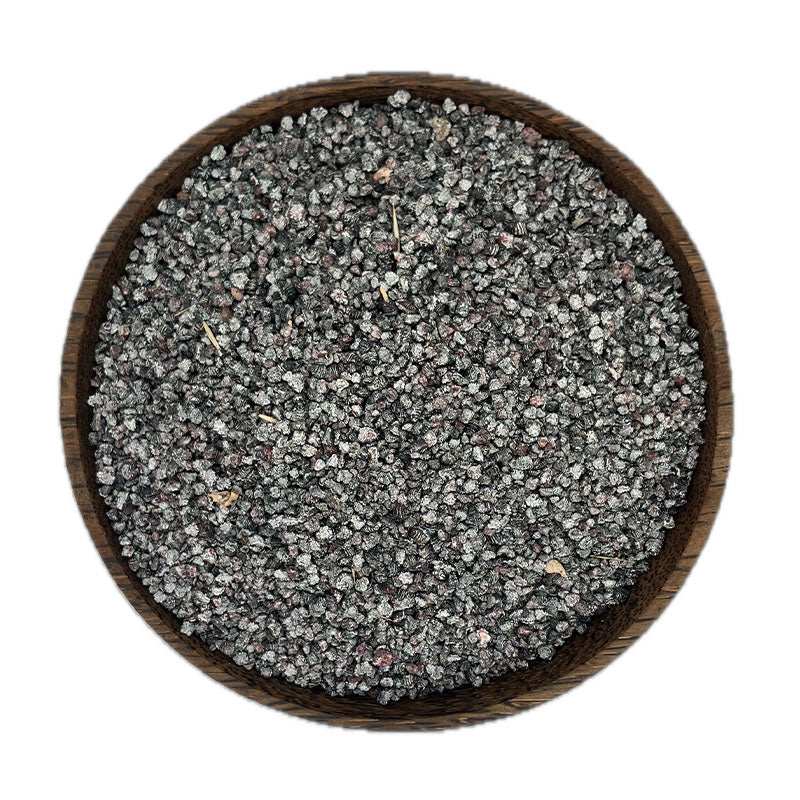
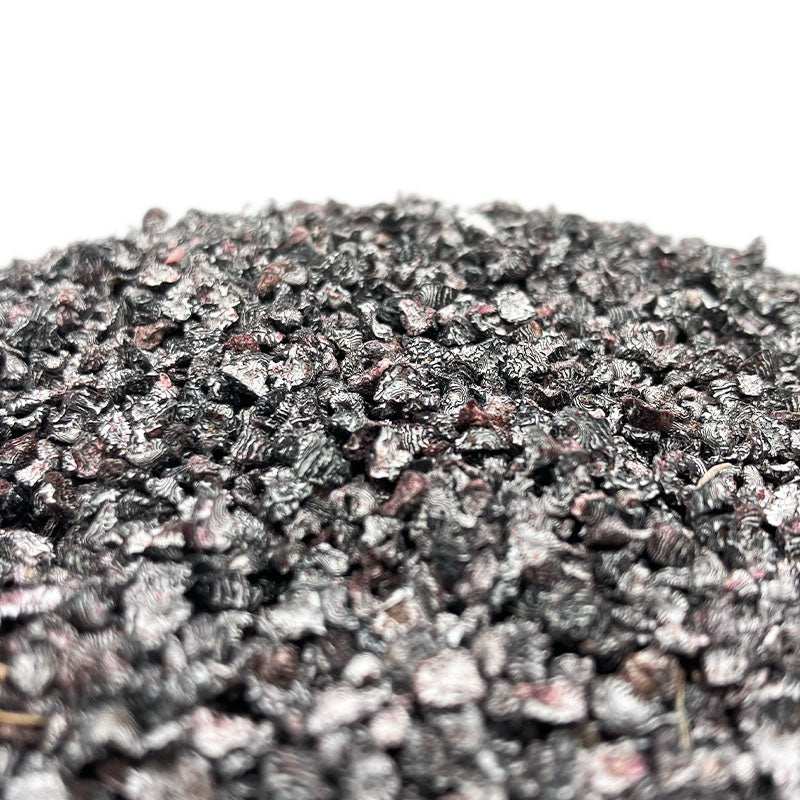
The cochineal louse plays an important role in painting as a source of the intense red dye carmine, which has been used in art for centuries. This dye, obtained from dried female cochineal lice (especially Dactylopius coccus), was of enormous importance in Europe after its introduction from Central and South America in the 16th century. Here are some important aspects:

Production of carmine:
To obtain the dye, the female lice are collected, dried and ground. The carmine dye is extracted using various chemical processes and is known for its luminosity and durability.

Color and application:
The cochineal louse produces a bright red color that is used in various art forms, from painting to textile dyeing to cosmetics. In painting, carmine was mainly used in watercolors, oil paints and later in textile printing. These deep red tones, often referred to as "carmine red", were particularly valuable because they were less perishable and faded less quickly than other red pigments such as madder red.

Cultural significance:
In European art, especially in the Renaissance and Baroque periods, the bright red of cochineal was symbolically associated with power, wealth and passion. Artists such as Rembrandt and Rubens used these tones to create dramatic effects in their works.

Trade history:
The cochineal dye was so valuable that it became an important commodity during the colonial period. Mexico and Peru were the main producers, and the dye was exported to Europe on a large scale, where it played an important role not only in art, but also in fashion and the textile industry.

Overall, the cochineal louse with its deep red dye contributed significantly to the color palette and aesthetic development of art.

Product data sheet cochineal (PDF)

Safety instructions: For artistic applications only, not suitable for consumption

PAYMENT OPTIONS:

VorkasseRechnungPayPal
American ExpressMaestroMastercardVisa
Invoice payment for educational institutions only:
For educational institutions such as daycare centers or schools, we also offer purchase on account. Please contact us by email before making your purchase.
DELIVERY & SHIPPING:

Shipping is carried out by DHL and includes shipment tracking. Delivery time within Germany: 3–6 business days. Shipping costs are calculated based on weight during the ordering process and displayed before the order is completed.

Price overview:

  • up to 2 kg:€5.99
  • up to 5 kg:€7.99
  • up to 10 kg:€10.99
  • up to 20 kg:€18.99
  • up to 30 kg:€23.99

We currently ship our products exclusively within Germany. The exception is the product "The Dyers' Child INK KIT (US version)," which we also offer to customers in the United States. If you would like delivery to another country, please contact us by email. We will check individual shipping options on a case-by-case basis.

SAFETY INSTRUCTIONS:

Our cochineal dyes are a natural material of animal origin and are intended exclusively for the production of plant-based dyes and for artistic and craft purposes. They are not suitable for consumption and are not intended for use on the skin, body, or animals.

SKU:1170

View full details
  • Cochinillas_Guatiza-1

    Family business

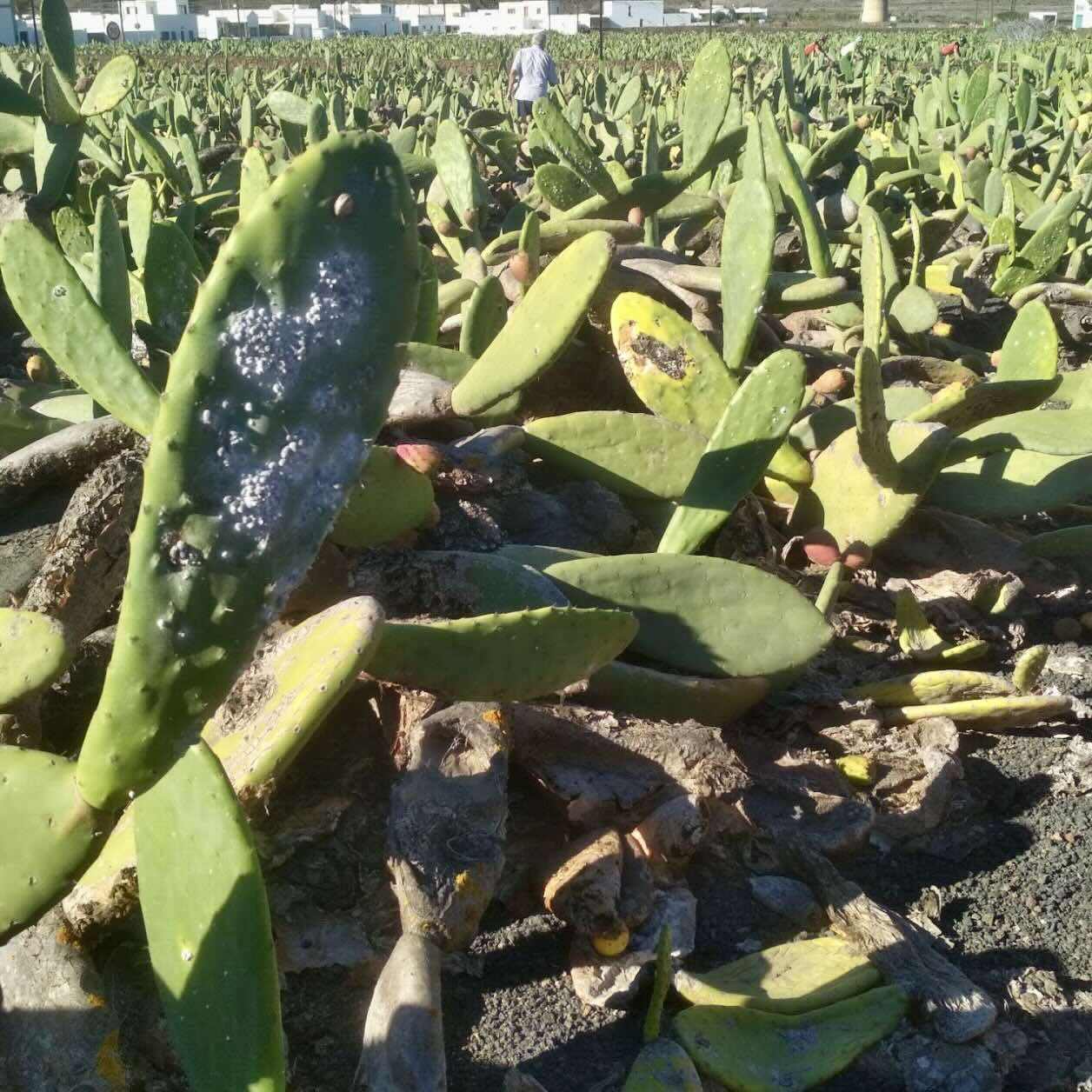
    We source our cochineal from the small family business Cochinillas Guatiza on Lanzarote. The farm is located in the charming town of Guatiza, which is known for the cultivation and complex harvesting process of cochineal.

  • Cochinillas_Guatiza-2

    Sustainable cultivation

    The Betancort Gonzáles family has been growing and selling cochineal exclusively in an artisanal manner for over 50 years, completely avoiding the use of chemicals or treated water.

Frequently asked questions about cochineal:

FAQ

Do cochineals have a best-before date?

No. Dried cochineal insects are a natural material for which no best-before date is specified. If stored in a dry, clean place away from light, they can usually be kept for many years. It is particularly important to protect them from moisture.

Are there any special techniques for dyeing with cochineal?

Yes, there are various techniques, such as cold dyeing or dyeing in a hot water bath. Pre-treating the material with a mordant can also improve color absorption.

Can I mix cochineal with other dyes?

Yes, cochineal can be mixed with other natural dyes to achieve new shades. However, it is advisable to carry out small tests first.

Are there any allergies or intolerances I should be aware of?

Some people may be allergic to cochineal. It is advisable to perform a patch test before use, especially if you have sensitive skin.